
The Blue Piano as a Symbol of the Spirit of the Quarter
A Streetcar Named DesireThe recurring blue piano music represents the emotional and sensual life of the French Quarter, a constant backdrop to the drama.
increasing Bearing strength in each event
 decreasing
Bearing strength in each eventdecreasingThe Blue Piano Introduction
The Music of the Quarter
A Constant Presence
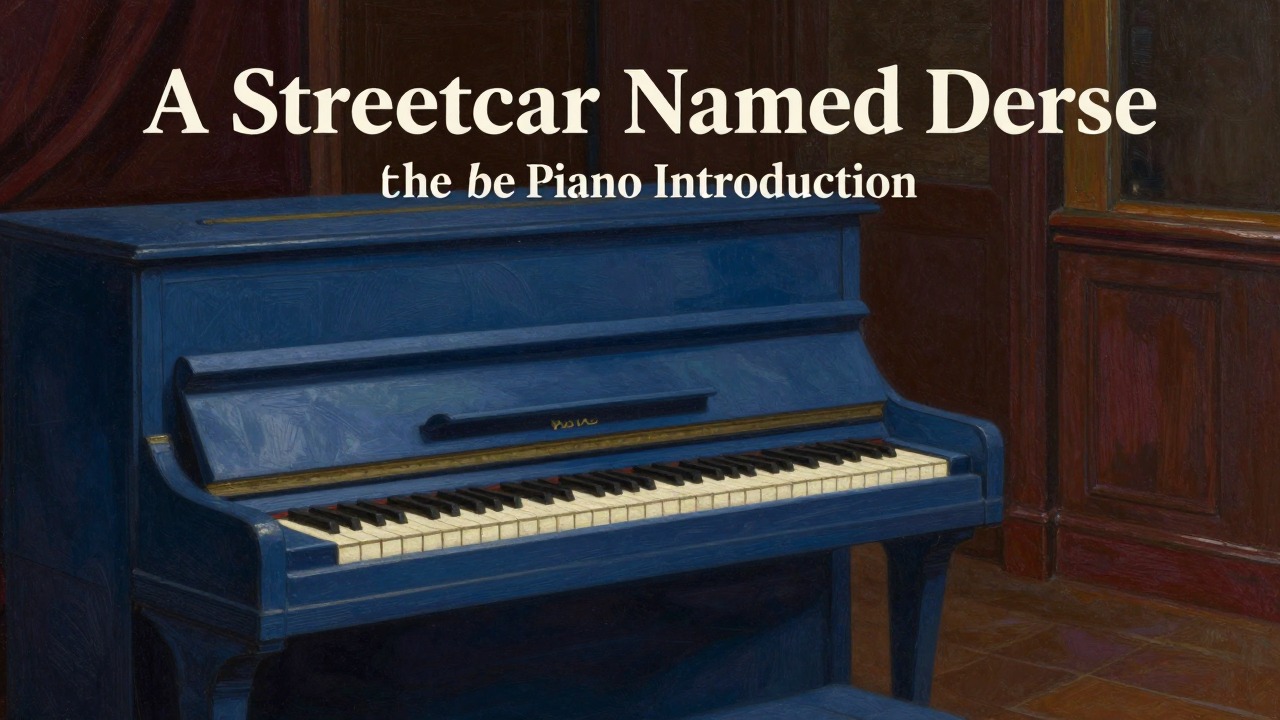
The blue piano is introduced in the first stage direction. It is described as the music of Negro entertainers at a barroom around the corner, and it "expresses the spirit of the life which goes on here." The music is a constant presence throughout the play, changing in tone according to the mood.
The Emotional Landscape
The blue piano is not just background music; it is a character in its own right. It underscores the scenes of passion, violence, and sorrow. It is the sound of the French Quarter, a mixture of joy and melancholy. The music represents the raw, unvarnished life of the neighborhood, a life that Blanche cannot understand or accept. The blue piano is the heartbeat of the play.
The Blue Piano at the End
The Final Notes
The Music Swells
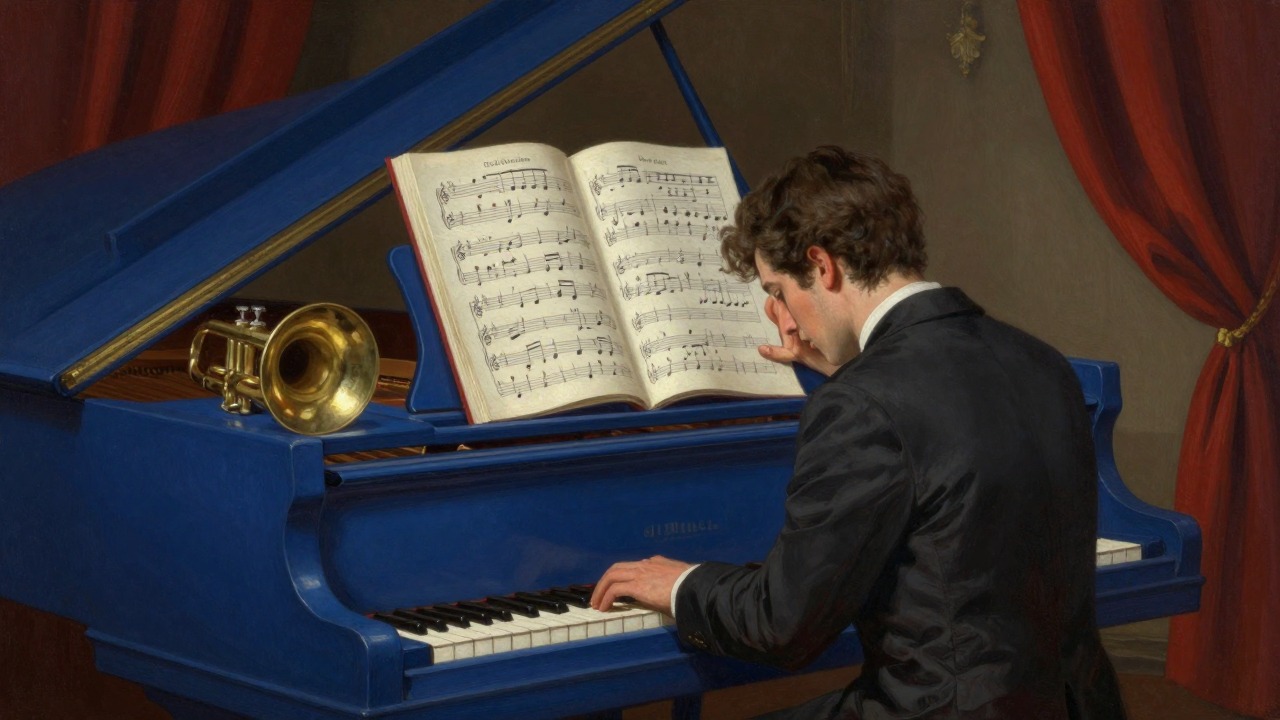
As the curtain falls, the blue piano swells, accompanied by the muted trumpet. The music is the last sound the audience hears, and it leaves a lingering impression of sadness and resignation. The spirit of the Quarter continues, indifferent to the tragedy that has just occurred.
The Enduring Spirit
The blue piano is a symbol of the enduring vitality of the French Quarter, a world that will go on despite the individual tragedies. It is a reminder that life is a mix of joy and pain, and that the music never stops. The play ends with a sense of continuity, but also with a sense of loss. The blue piano is the final word on the human condition: beautiful, mournful, and eternal.
scene one, early May evening
final scene, after Blanche's departure
